
air conditioning, condition, temperature, cool
It’s 9 p.m. on the first cold night of the year, and the house is getting colder. The homeowner grabs their phone and searches “furnace repair near me.”
They’re not reading your About page. They’re not admiring your logo. They’re scanning for one thing: a company that can come, and a number to call. The first website that makes that easy usually gets the call.
Good HVAC website design is built for that moment. Here are eight must-haves that turn a no-heat emergency search into a phone call.
1. A first screen that answers three questions
When your homepage loads on a phone, the first screen, before any scrolling, should answer three questions:
- What do you fix? “Heating, cooling and plumbing,” not a slogan.
- Where do you work? “Serving Lansdale, North Wales and Montgomeryville,” for example.
- How do I reach you right now? A phone number in large type.
If a homeowner has to scroll or guess to find any of those, many will hit the back button and try the next company.
2. Tap-to-call on every page
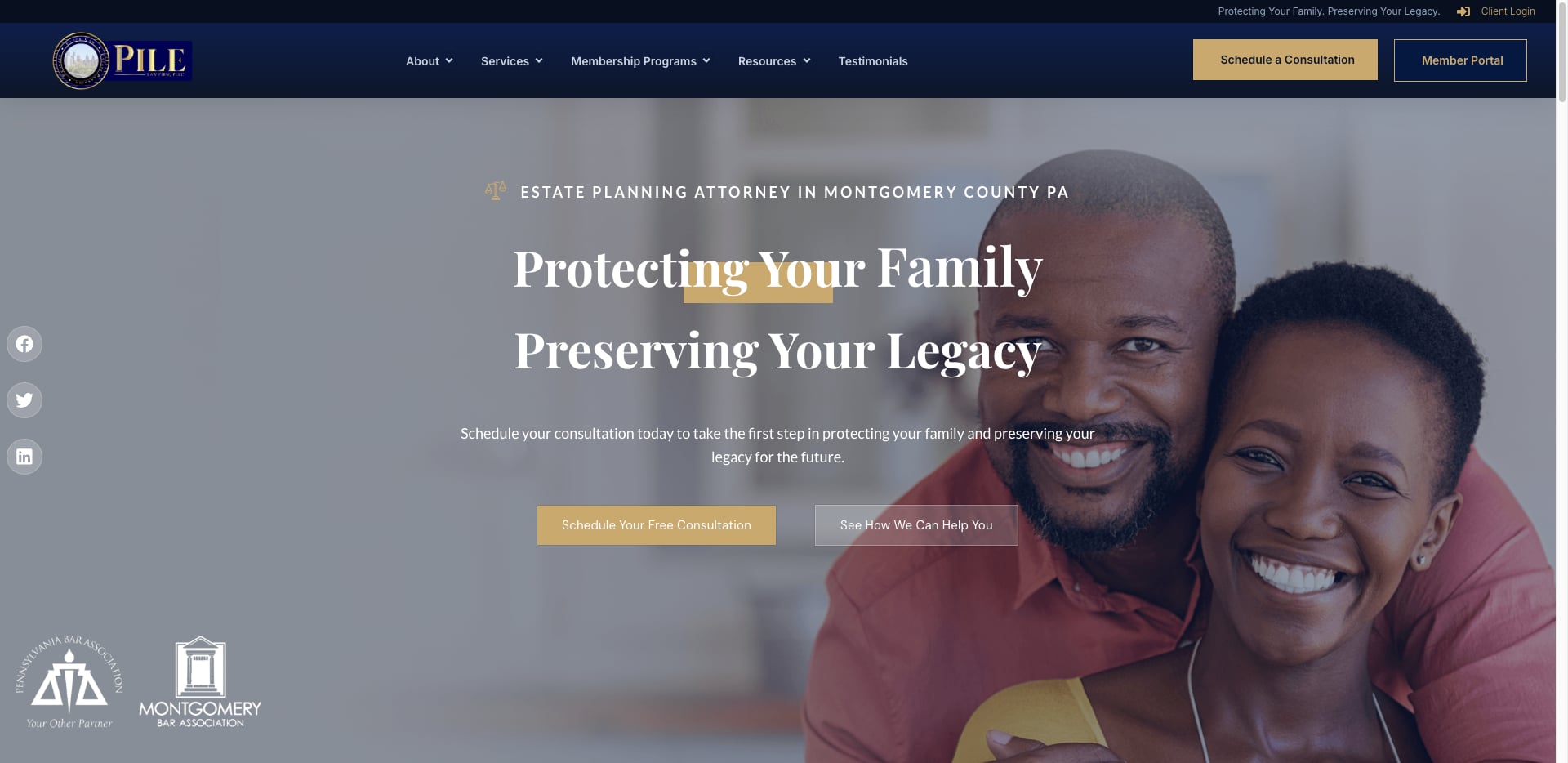
Your phone number should sit at the top of every page, and on a phone it should dial when tapped. Even better is a call button that stays on screen as people scroll, so it’s always one tap away.
Check it yourself: open your site on your phone and tap your number. If it doesn’t start a call, it’s costing you calls.
3. Emergency availability, said plainly
If you offer emergency or after-hours service, say so near the top of the homepage, in plain words: “24/7 emergency service” or “Same-day repairs available.” A homeowner with no heat wants to know you can come tonight, or at least first thing tomorrow.
If you don’t offer it, say when you’re open and how fast you typically respond. Honest beats vague.
4. Fast on a phone
Emergency searches happen on phones, often on cell data. A homepage weighed down by huge photos or a heavy video can take long enough to load that people give up. Test your site on your phone with wifi turned off. If you’re waiting, so are they.
5. A page for every service
Homeowners search for the problem they have: “furnace repair,” “heat pump installation,” “water heater replacement.” One “Services” page with a bulleted list won’t match most of those searches.
Give each main service its own page that explains what it is, the signs you need it, what the visit looks like, and how to book. Each page is another chance to show up in search, and it reassures the homeowner they’ve found someone who does exactly what they need.
6. A page for every town you serve
An HVAC company doesn’t only work in the town its office is in, but many websites act like it does. If you serve Lansdale, Hatfield, North Wales and Montgomeryville, each town deserves its own page.
A good location page mentions the town by name, lists the services you offer there, and includes local details, real photos and reviews from customers nearby. Avoid copying one page and swapping the town name; it doesn’t help customers or search engines.
7. Reviews and credentials where people can see them
A homeowner letting a stranger into their house wants proof you’re trustworthy. Put a few real reviews and your Google rating on the homepage, not just on a separate testimonials page.
Also show your license or registration numbers, insurance, years in business, any manufacturer certifications, and your warranty or satisfaction guarantee. Real photos of your team and trucks help more than stock photos ever will.
8. An easy way to book without calling
Not every customer wants to call, especially for non-emergency work like a tune-up or a quote for a new system. Give them a simple form or an online booking option, ideally connected to the scheduling software you already use. Keep it short: name, phone, address and what’s going on.
A real example: Brothers Comfort Services
Brothers Comfort Services, an HVAC company in Montgomery County, was one of our first clients. Their old site was outdated, sat on hosting they had no control over, and didn’t reflect the services they offered or the towns they covered.
We moved the site to our managed hosting first, then rebuilt it around how homeowners search: the phone number placed prominently, a dedicated page for each service, and a connection to their field service software and live chat. Every month, we add new location pages and homeowner-focused blog posts, so nearby towns can find them too.
The result is a site the owners control, that keeps growing instead of aging.

Worried young man is talking on mobile phone at home.
Quick self-check for your HVAC website
Open your website on your phone and see how many of these you can tick:
- I can tell what you do, where you work and how to reach you without scrolling
- Tapping the phone number starts a call, on every page
- Emergency or after-hours availability is clear
- The homepage loads quickly on cell data
- Each main service has its own page
- Each town you serve has its own page
- Reviews, licenses and guarantees are easy to find
- Customers can book or request a quote without calling
Common questions about HVAC website design
What’s the most important thing on an HVAC website?
An easy-to-find phone number that dials when tapped, on every page. Most HVAC customers decide quickly, and the call is what turns a visit into a job.
Do I really need a separate page for every town?
If you want to show up when people in nearby towns search, it helps a lot. Each page should be genuinely useful to someone in that town, not a copy with the name swapped. Start with the towns you most want more work in, and add more over time.
Should my website have online booking?
Yes, as long as it’s simple. Many customers would rather book a tune-up or request a quote online, especially outside business hours. If your scheduling software offers online booking, connect it to your site.
How long does an HVAC website redesign take?
It depends on how many service and location pages you need, but a focused redesign usually takes a few weeks. Location pages can keep being added after launch.
The bottom line
When the heat goes out, your website has one job: get the phone to ring. Make your number impossible to miss, show that you can come, and prove you’re trustworthy.
We build websites for HVAC and home service companies across Montgomery, Chester and Bucks counties. Get a proposal and we’ll show you how we’d set yours up for heating season.
Is your site making these mistakes?
We'll do a free 30-minute review of your current website. No pitch and no pressure, just an honest look at what's working and what isn't.