Introduction:
In the rapidly evolving digital landscape, where information is at our fingertips, the importance of an engaging and intuitive website design cannot be overstated. A well-designed website is not just about aesthetics; it significantly influences the user experience (UX). As the digital gateway to your brand or content, the design of your website plays a pivotal role in capturing and retaining the attention of visitors. In this blog, we’ll explore the various ways in which website design affects user experience and why investing in thoughtful design is crucial for online success.
UX Design
1. First Impressions Matter:
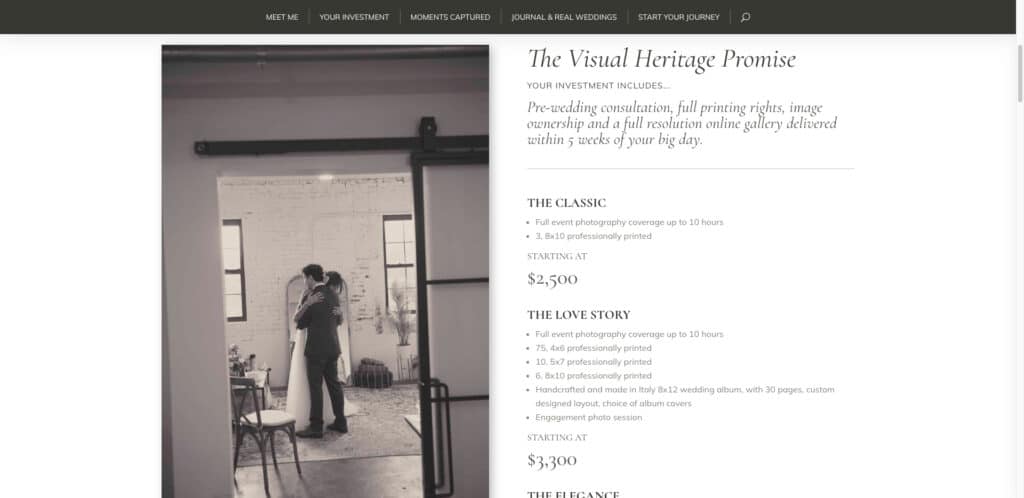
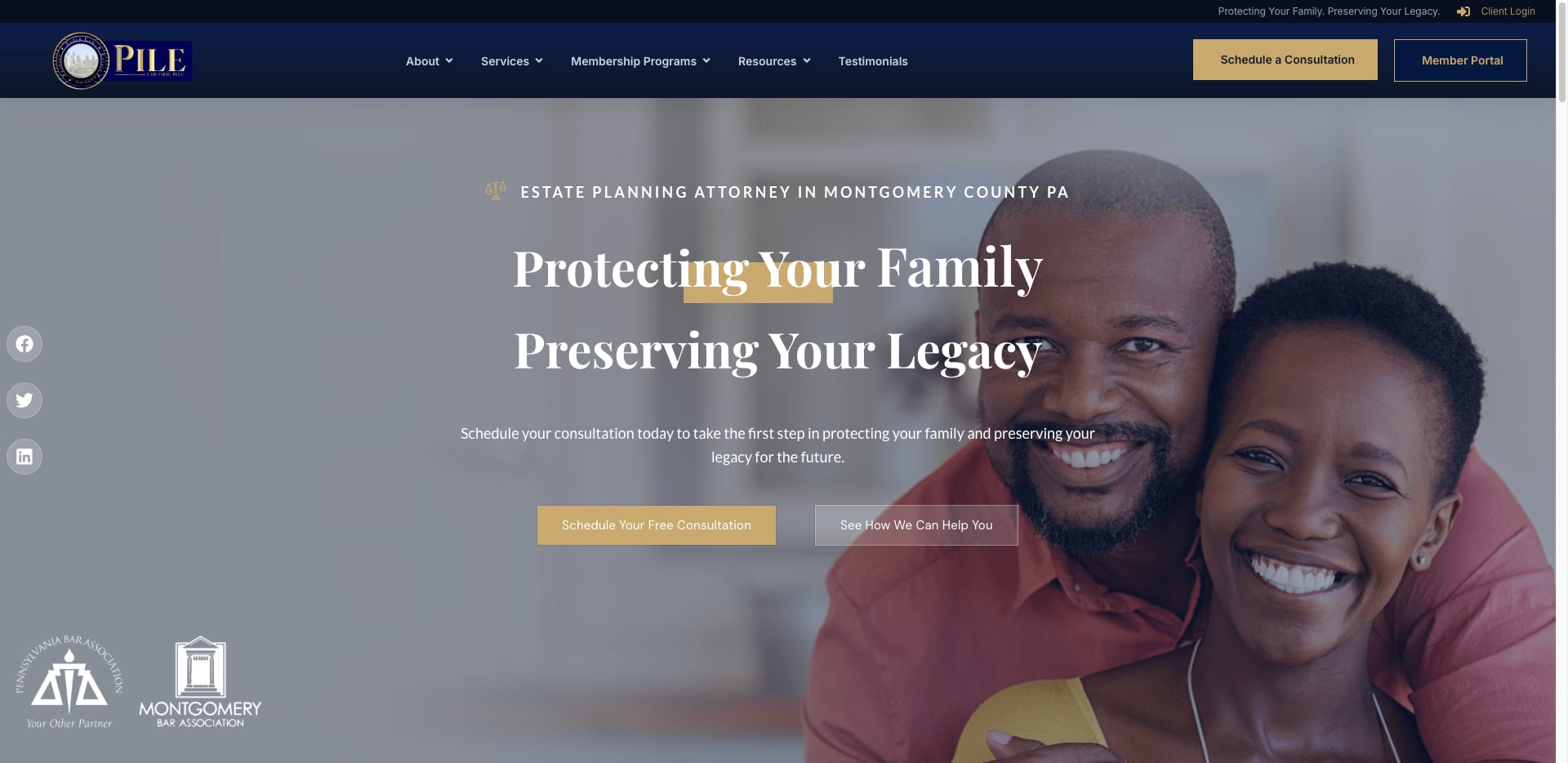
The moment a user lands on your website, they form an immediate impression. This first impression is largely influenced by the visual appeal of your site. A clean, modern, and visually appealing design can instill trust and credibility in the user, encouraging them to explore further. Conversely, a cluttered or outdated design may drive users away before they even engage with your content.
2. Navigation and Usability:
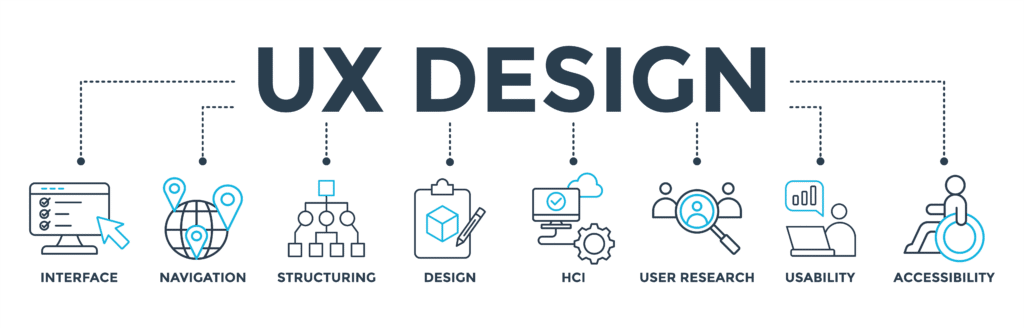
User-friendly navigation is at the heart of a positive user experience. An effective website design ensures that users can easily find the information they’re looking for. Intuitive navigation menus, clear calls-to-action, and a logical layout contribute to a seamless browsing experience. Frustrating navigation, on the other hand, can lead to high bounce rates as users quickly abandon a site that is difficult to navigate.
3. Responsive Design:
In the era of smartphones and tablets, a responsive website design is non-negotiable. Users access websites from a variety of devices, and a responsive design ensures that your site adapts to different screen sizes. Failing to provide a mobile-friendly experience can result in a significant portion of your audience having a subpar interaction with your site, negatively impacting their overall experience.
4. Page Loading Speed:
Patience is a scarce commodity in the digital age. Users expect websites to load quickly, and a slow-loading site can be a major turn-off. Page loading speed is not only a crucial factor for user satisfaction but also a ranking factor in search engines. Optimizing images, leveraging browser caching, and minimizing unnecessary scripts are some techniques to enhance loading times and improve user experience.
5. Consistent Branding:
A website serves as an extension of your brand identity. Consistent branding elements, such as colors, fonts, and imagery, help in creating a cohesive and memorable user experience. When users recognize and associate your website with your brand, it builds trust and fosters a sense of familiarity.
6. Accessibility:
Web accessibility ensures that all users, regardless of physical abilities, can navigate and interact with a website. Incorporating accessible design principles, such as providing alternative text for images and ensuring keyboard navigation, not only broadens your audience but also reflects a commitment to inclusivity and user-centric design.
Conclusion:
In the digital realm, where competition is fierce and attention spans are fleeting, the design of your website is a critical factor in shaping the user experience. From the initial impression to the overall usability and accessibility, every aspect of design plays a role in determining whether a visitor becomes a loyal user or quickly moves on. By prioritizing user experience in your website design, you not only enhance customer satisfaction but also increase the likelihood of achieving your digital goals. Remember, a well-designed website is not just a virtual storefront; it’s a carefully crafted journey for your users.
Is your site making these mistakes?
We'll do a free 30-minute review of your current website. No pitch and no pressure, just an honest look at what's working and what isn't.